
Part of: Nissan Patrol Y62 Engine Problems in Dubai
White smoke from a Nissan Patrol Y62 exhaust in Abu Dhabi is normal for the first minute or two on a cold start, especially in cooler months, and it clears as the engine warms up. Smoke that stays once the engine is warm, smells sweet, or arrives alongside a dropping coolant level is a different problem entirely and means stopping the car.
The 5.6-litre V8 in the Y62 is a large engine with a lot of thermal mass, and in Abu Dhabi the temperature swings between a cool morning and a 45-degree afternoon mean condensation in the exhaust system is a daily reality for much of the year. That puff of white vapour when you first start the car almost always clears on its own. The problem is that the smoke which signals something genuinely wrong looks similar at first glance. The difference is in the colour, the smell, the behaviour once the engine reaches operating temperature, and what the coolant reservoir is doing over time. This article walks through each cause in the order a mechanic would think about them, so you can tell whether you are looking at something harmless or something that needs the car off the road today. If you are in Abu Dhabi and the smoke is staying warm, do not keep driving while you read around the problem.
Is the white smoke just condensation?
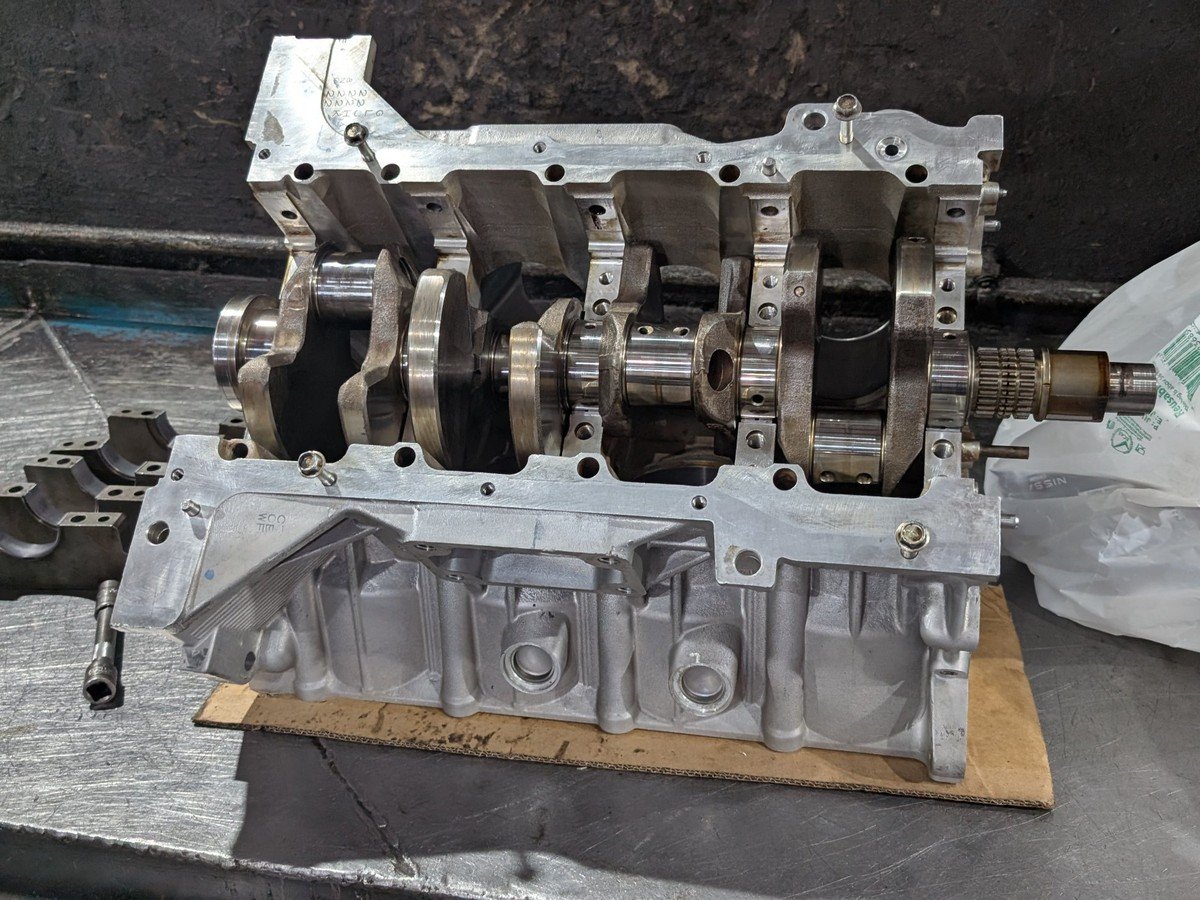
On a cold start, water vapour collecting in the exhaust overnight turns to steam as the hot gases push through, and that is what you see as white smoke at the tailpipe. This is the work we do as Y62 engine rebuilds in Mussafah.
This is the most straightforward explanation. The exhaust system cools overnight, moisture condenses inside the pipes and the silencer, and when the engine fires up and gases start moving through, that moisture burns off as steam. It looks white, it can be quite thick for a minute, and in Abu Dhabi's winter months when morning temperatures drop noticeably, it is especially visible. The test is simple: watch it. If the smoke thins out and disappears within a few minutes of driving, once the engine and exhaust have warmed through, condensation is usually all it was. No further action needed.
The same thing can happen after a heavy rainfall or after the car has sat for several days. Length of time parked, ambient temperature, and how humid the air is all affect how much moisture builds up. None of that is a problem.
Thick white smoke that stays when the engine is warm
White smoke that does not clear as the engine reaches operating temperature means coolant is entering the combustion chamber and burning off with the exhaust gases.
This is where the situation changes. The VK56VD is a large V8 with aluminium cylinder heads, and the combustion chambers sit directly adjacent to the coolant passages. When those passages are compromised, coolant finds its way into one or more cylinders. It does not combust the same way fuel does. It vaporises, and what comes out the back is thick, white, and persistent. It may have a faintly sweet smell. That smell is ethylene glycol, the main component of coolant, and once you have recognised it once you will not confuse it with anything else.
The coolant reservoir is the other thing to check. A slow, unexplained drop in coolant level over days or weeks, with no visible leak under the car, is a strong indicator that coolant is going somewhere inside the engine. It is not proof of a head gasket failure on its own, but combined with white smoke that stays warm, the picture becomes clear enough to stop driving and get the car looked at.
Blue-grey smoke is a different problem
Blue or grey smoke at the exhaust means oil is burning, not coolant, and the smell is acrid rather than sweet.
It is worth separating these two clearly because they look similar in photographs and even in person in certain light. Blue-grey smoke tends to appear on startup if oil has drained past valve stem seals overnight, or under hard acceleration if piston rings are worn. The smell is sharp and unpleasant. There is no sweet note. Oil consumption that is higher than expected is the other tell. Neither type of smoke should be ignored, but they point to different parts of the engine and need different work.
When to stop driving immediately
A rising temperature gauge, coolant that keeps dropping without explanation, or white smoke that stays once the engine is warm are each reason enough to stop driving the car.
If coolant is entering the combustion chamber, the engine is losing its ability to regulate temperature. Run it long enough and the aluminium heads can warp. That turns what might be a gasket repair into a head machining job, or worse. The V8 in the Y62 is not a small engine and the labour involved in getting to the head gaskets is substantial. Catching the problem early is the difference between a manageable repair and one that is significantly more involved.
A temperature gauge that climbs higher than normal, even if the car is not yet overheating, is a signal to stop. So is finding the coolant level low two days after you just topped it up. These are not symptoms to monitor while continuing to drive. The car should be transported to a workshop rather than driven if the gauge is rising.
Abu Dhabi's summer heat compounds this. An engine running short on coolant in 48-degree ambient temperature will reach a damaging temperature far faster than the same engine in a cooler climate. The margin for error is small.
What gets tested when the car comes in
No single symptom confirms a head gasket failure, so the first step is a systematic check to find where coolant is going and rule out simpler causes.
The cooling system gets pressure-tested first. This shows whether there is a leak anywhere in the external circuit, including hoses, the radiator, and the water pump. A pressure drop without an external leak points inward. A combustion gas test on the coolant reservoir checks for exhaust gases in the coolant, which confirms combustion gases are crossing into the cooling system. A cylinder compression test checks whether one or more cylinders have lower compression, which can indicate a gasket has failed between the combustion chamber and a coolant passage. These tests together build a picture rather than relying on the smoke alone.
The spark plugs also get checked. A plug that is unusually clean or wet compared to the others on a V8 is a sign that cylinder has been seeing coolant. On the VK56VD, getting to some of the plugs takes time, but it is part of a thorough diagnosis.
It is also worth checking the oil. Coolant mixing with engine oil turns it milky and pale. That is a sign the gasket has failed in a way that connects the coolant passage to the oil gallery, which is more serious than coolant going into the combustion chamber alone.
Service history and what it tells you
The condition of the coolant and the engine oil going into the diagnosis tells you a lot about what has been happening in the engine.
Coolant that has never been changed degrades over time. It becomes acidic, loses its corrosion-inhibiting properties, and starts to attack the aluminium surfaces it is supposed to protect. On a V8 with aluminium cylinder heads, that corrosion over time can compromise the head gasket seating surfaces. This is not inevitable, but it is a known mechanism on engines that have run on old coolant for extended periods.
A Y62 with a complete, documented service history where the coolant has been renewed on a reasonable schedule is in a different position to one where the service record is patchy. Neither is defined by the year on the registration card. What matters is the mileage on the engine and the state of the fluids. That is what the inspection tells you, and it is what guides the conversation about what the repair involves.
Can I drive my Y62 if it is producing white smoke in Abu Dhabi?
If the smoke clears within a few minutes on a cold start, it is usually condensation and the car is fine to drive. If the smoke stays once the engine is at operating temperature, stop driving and have the car checked. A rising temperature gauge makes this urgent: get the car off the road and transported rather than driven.
What does sweet-smelling white smoke mean on a Y62?
A sweet smell in the white smoke points to coolant burning in the combustion chamber. Coolant contains ethylene glycol, which has a distinctive sweet odour when it burns. This is not a symptom to ignore. Combined with a dropping coolant level, it is a strong sign of a head gasket or related internal failure.
Can a head gasket be diagnosed from the smoke alone?
No. White smoke that stays warm is a reason to test the engine thoroughly, but the diagnosis needs a pressure test on the cooling system, a combustion gas test on the coolant, compression readings across all cylinders, and an inspection of the plugs and the oil. Smoke by itself does not confirm which part has failed or how extensively.
How does Abu Dhabi heat affect this problem?
An engine losing coolant has less thermal protection, and in Abu Dhabi's summer the ambient temperature gives it very little margin. An engine that might show gradual warning signs over weeks in a cooler climate can reach a damaging temperature quickly here. Acting on the first signs rather than monitoring them matters more in this climate.
When to bring it to Top Challenger
We specialise in the Nissan Patrol Y62, with the Mussafah workshop in Abu Dhabi doing the same diagnostic and repair work as our Ras Al Khor workshop in Dubai. Send us a message on WhatsApp with what the smoke looks like, whether it clears when warm, and whether the coolant level has been dropping, and we will tell you what needs to happen next. We handle Y62 servicing and repair at the Mussafah workshop in Abu Dhabi.
Last updated: November 2026